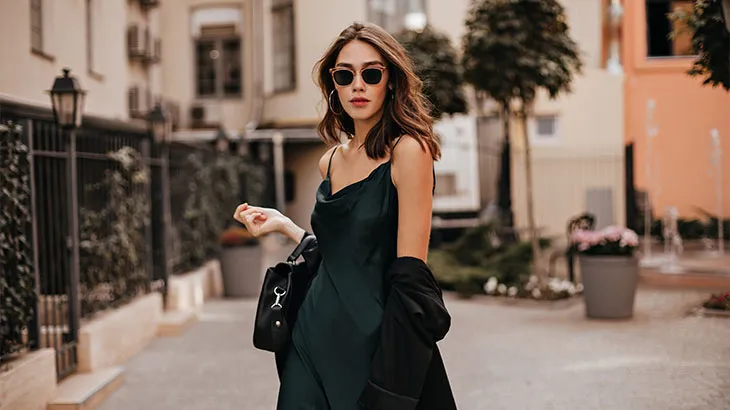

Street style has reshaped modern fashion. What once belonged exclusively to designers and runway shows now thrives on city sidewalks. From layered tailoring to bold sneaker pairings, everyday outfits have become powerful expressions of individuality. Street style isn’t about perfection—it’s about authenticity, creativity, and confidence.
This guide explores how to draw inspiration from urban fashion and translate it into wearable, personal style.
What Defines Street Style?
Street style reflects real-life fashion worn outside traditional runway settings. It blends high and low fashion, mixes structured and relaxed pieces, and often experiments with proportion.
Core Elements
- Personal expression over strict trends
- Mixing casual and formal pieces
- Bold layering
- Statement accessories
- Unexpected color combinations
Unlike curated runway collections, street style evolves organically through cultural influence, music, art, and social media.
Mastering the Art of Layering
Layering is a signature feature of street fashion. Done well, it adds depth and visual interest.
Smart Layering Techniques
- Pair oversized blazers with fitted tops
- Layer hoodies under structured coats
- Combine textures like denim, leather, and knit
- Use open shirts or jackets to frame simpler outfits
Balance is key. If one layer is oversized, keep another fitted to avoid overwhelming your frame.
Playing With Proportion
Street style often challenges traditional silhouettes.
Try These Combinations
- Wide-leg trousers with cropped tops
- Oversized shirts tucked into tailored pants
- Chunky sneakers with slim skirts
- Boxy jackets over flowing dresses
The contrast between volume and structure creates dynamic movement.
Elevating Casual Staples
One of the strongest aspects of street fashion is transforming everyday basics into standout outfits.
Everyday Pieces That Work
- White sneakers
- Graphic tees
- Denim jackets
- Tailored trousers
- Neutral hoodies
The difference lies in styling. Tuck, cuff, roll sleeves, or add a belt to reshape familiar pieces.
Statement Accessories Matter
Accessories often define the look.
- Bold sunglasses
- Crossbody bags
- Structured totes
- Layered chains
- Wide belts
Street style thrives on detail. Even a simple outfit gains impact through thoughtful additions.
Mixing High and Low Fashion
Combining accessible pieces with investment items is common in street fashion.
For example:
- Designer bag with thrifted denim
- Tailored blazer with athletic sneakers
- Luxury sunglasses with basic cotton tee
This mix keeps outfits relatable yet polished.
Embracing Color and Texture
Street style doesn’t shy away from bold tones or contrasting materials.
Ways to Experiment
- Monochrome outfits in vibrant shades
- Neutral base with one bright accessory
- Leather paired with soft knit
- Structured wool with relaxed cotton
Texture layering often creates more impact than color alone.
Confidence Is the Real Statement
The most photographed street looks share one quality: confidence. The wearer owns the outfit rather than letting it wear them.
Good posture, relaxed movement, and comfort enhance any look more than trend-heavy styling.
Building a Street Style Wardrobe
Start with versatile anchors and expand gradually.
Key Pieces to Invest In
- Oversized blazer
- High-quality sneakers
- Structured handbag
- Statement outerwear
- Relaxed-fit denim
Add trend-focused pieces sparingly to keep your wardrobe adaptable.
Drawing Inspiration Without Copying
Street style inspiration works best when filtered through your personality.
Instead of recreating a full outfit:
- Borrow a layering idea
- Try a new silhouette
- Experiment with one bold accessory
Personal interpretation keeps your style authentic.
Street Style for Every Season
Street fashion adapts easily to weather changes.
- Spring: Lightweight layers and neutral sneakers
- Summer: Loose silhouettes and bold sunglasses
- Fall: Textured jackets and boots
- Winter: Statement coats and layered knits
Seasonal adaptability makes street style practical as well as expressive.
Frequently Asked Questions (FAQ)
1. Do I need expensive clothing to achieve street style?
No. Street style focuses more on creativity and styling than on price tags.
2. How do I avoid looking overdressed for everyday settings?
Balance bold pieces with simple staples to keep outfits grounded.
3. Can street style work in professional environments?
Yes, with refinement. Structured blazers and tailored trousers maintain polish while allowing personality.
4. How do I find my street style aesthetic?
Observe what silhouettes and colors you naturally gravitate toward, then experiment gradually.
5. Are sneakers essential for street style?
Not mandatory, but they are versatile and commonly used in urban-inspired looks.
6. How can I make simple outfits look more dynamic?
Add layers, experiment with proportion, or introduce one statement accessory.
7. Does street style follow seasonal trends strictly?
Not necessarily. It blends trends with timeless pieces, allowing flexibility and individuality.
Street style turns ordinary sidewalks into platforms for self-expression. By blending creativity, balance, and confidence, you can transform everyday outfits into runway-worthy statements—no fashion week invitation required.