Choosing the Perfect Wedding Dress for Your Body Type
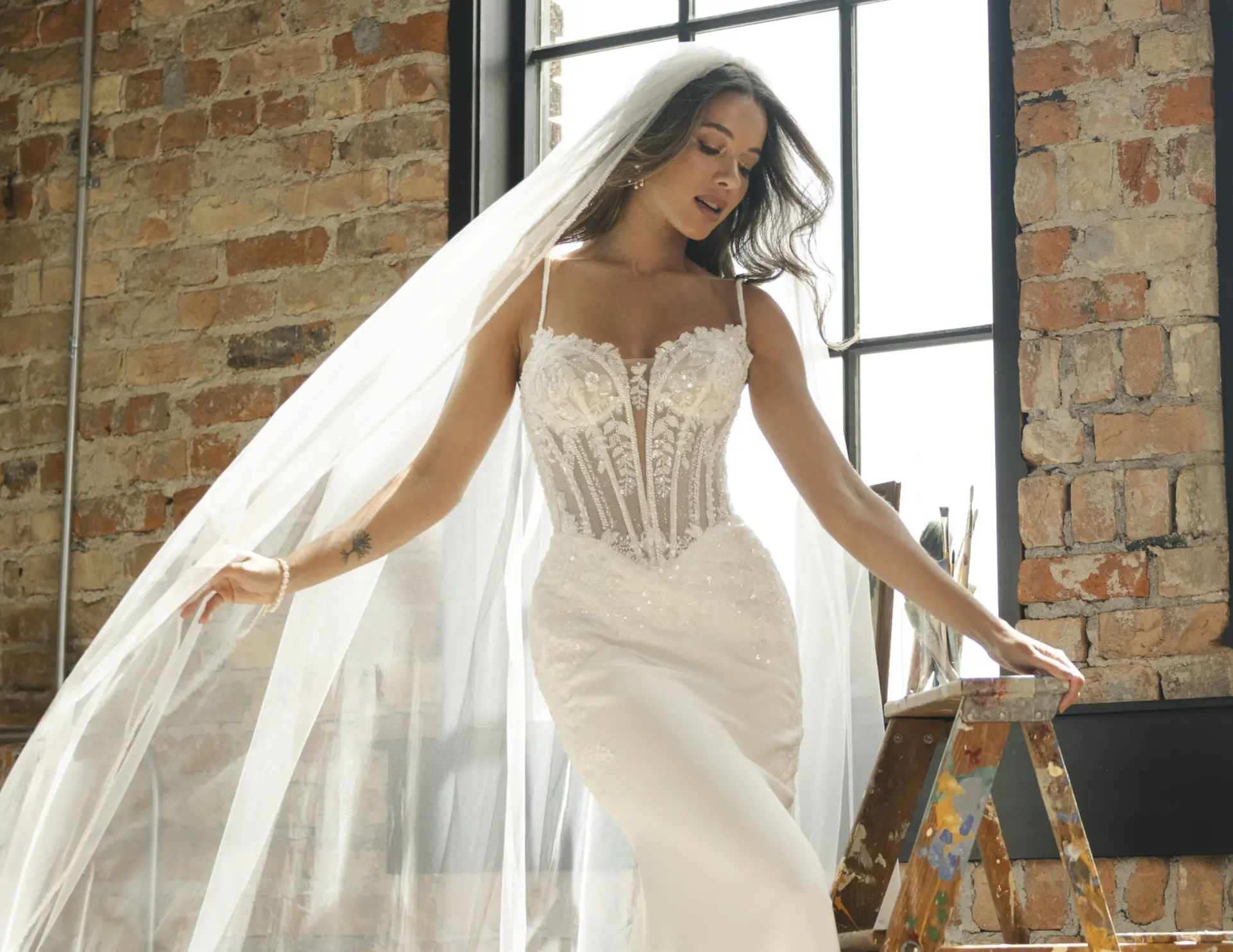
Finding the right wedding dress is more than following trends—it’s about selecting a silhouette that highlights your natural shape and feels effortless to wear. The most flattering gown works with your proportions, not against them. Understanding your body type can narrow the search and make the experience far more enjoyable.
Below is a practical guide to matching popular bridal silhouettes with different body shapes, along with styling insights that make a noticeable difference.
Understanding Common Body Types
Every body is unique, but most silhouettes fall into a few broad categories:
- Hourglass – Balanced bust and hips with a defined waist
- Pear (Triangle) – Hips wider than shoulders
- Apple (Round) – Fuller midsection with slimmer legs
- Rectangle (Athletic) – Shoulders, waist, and hips similar in width
- Inverted Triangle – Broader shoulders with narrower hips
Knowing your general shape helps you choose cuts that enhance proportion and create balance.
Wedding Dresses for an Hourglass Shape
If you have an hourglass figure, your natural curves are already well-defined. The goal is to highlight your waist without overwhelming your frame.
Best silhouettes:
- Mermaid
- Fit-and-flare
- Trumpet
- Sheath with waist emphasis
These styles contour the body and showcase curves gracefully. Structured bodices and tailored seams enhance shape without adding bulk.
Styling tips:
- Choose belts or subtle waist detailing to emphasize proportion.
- Avoid shapeless gowns that hide your natural definition.
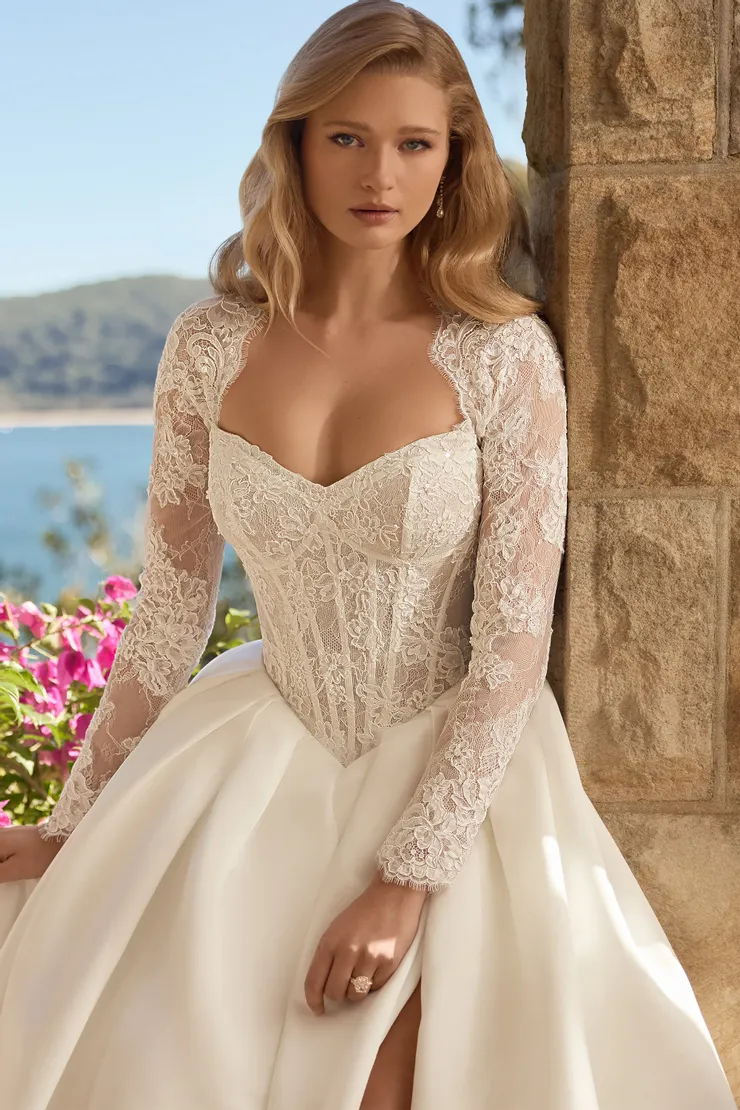
- Sweetheart and V-necklines complement balanced proportions beautifully.
Wedding Dresses for a Pear Shape
With hips wider than shoulders, the goal is to draw attention upward and balance the lower half.
Best silhouettes:
- A-line
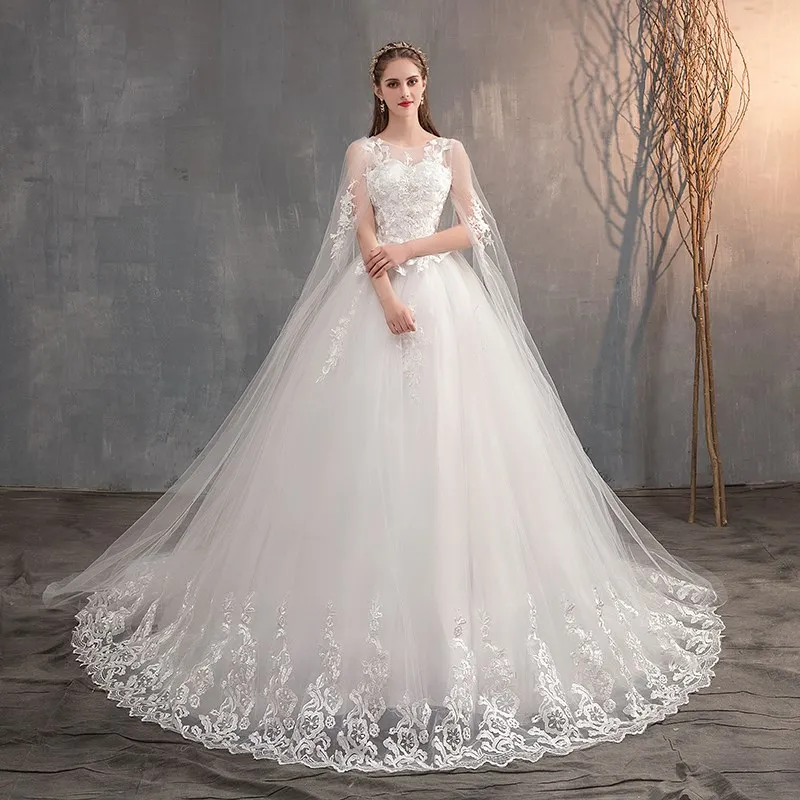
- Ball gown
- Empire waist with flowing skirt
These styles gently skim over the hips while defining the waist.
Styling tips:
- Consider embellished or off-the-shoulder necklines.
- Cap sleeves or structured shoulders add visual balance.
- Avoid clingy fabrics around the hips if you prefer a streamlined look.
Wedding Dresses for an Apple Shape
If you carry more fullness through the midsection, focus on elongation and comfort.
Best silhouettes:
- Empire waist
- Soft A-line
- Flowing chiffon gowns
These styles create vertical lines and reduce emphasis on the waistline.
Styling tips:
- Opt for V-neck or scoop necklines to lengthen the torso.
- Structured support in the bodice ensures comfort.
- Avoid heavy embellishment around the midsection.
Wedding Dresses for a Rectangle Shape
With similar measurements through shoulders, waist, and hips, the goal is to create the illusion of curves.
Best silhouettes:
- Ball gown
- Peplum styles
- Dresses with ruching or draping at the waist
These details add volume and dimension where desired.
Styling tips:
- Use belts or sashes to define the waist.
- Choose textured fabrics like lace or layered tulle.
- Avoid straight, boxy silhouettes if you want more contour.
Wedding Dresses for an Inverted Triangle Shape
Broader shoulders paired with narrower hips benefit from added volume below the waist.
Best silhouettes:
- A-line
- Flowing skirts with movement
- Dresses with detailed lower halves
Styling tips:
- Deep V or scoop necklines soften shoulder width.
- Avoid heavy shoulder embellishments.
- Fuller skirts create balance and proportion.
Fabric, Structure, and Fit Matter More Than Trends
While silhouette plays a leading role, fabric and construction are equally important.
Consider these factors:
- Structured satin offers definition.
- Chiffon creates softness and movement.
- Lace overlays add texture without bulk.
- Proper tailoring ensures even the simplest gown looks custom.
A well-fitted dress can transform how you feel on your wedding day. Always schedule professional alterations, even if the gown seems close to perfect off the rack.
Final Thoughts
Choosing the right wedding dress begins with understanding your proportions and selecting silhouettes that enhance your natural shape. Trends come and go, but balance, comfort, and confidence never go out of style. The most memorable bridal look is the one that feels unmistakably yours.
Frequently Asked Questions (FAQ)
1. How do I accurately determine my body type?
Measure your bust, waist, and hips, then compare proportions. The relationship between these measurements reveals your general shape more than size alone.
2. Can I wear a silhouette that isn’t recommended for my body type?
Absolutely. These guidelines are starting points, not rules. Personal comfort and confidence matter most.
3. What neckline is most universally flattering?
V-necklines and sweetheart shapes tend to complement many body types because they elongate the torso and highlight the collarbone.
4. How many dress fittings are usually needed?
Most brides require two to three fittings to achieve a precise fit, depending on alterations required.
5. Does fabric weight affect how a dress flatters my body?
Yes. Heavier fabrics provide structure and smoothing, while lightweight fabrics emphasize natural curves and movement.
6. Should I choose my dress before selecting accessories?
It’s usually easier to finalize accessories after selecting the gown, as the dress sets the tone for veils, jewelry, and shoes.
7. What if my body type doesn’t fit neatly into one category?
Many people are a blend of shapes. Focus on the features you want to highlight and choose a silhouette that complements those areas.