
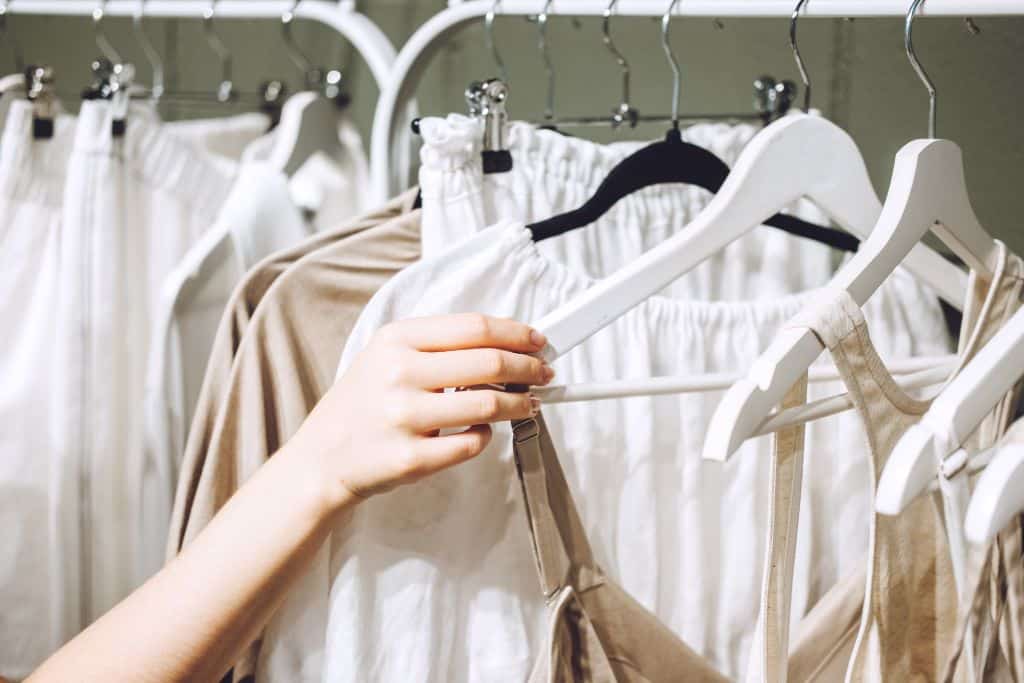

The fashion industry has a significant environmental footprint, from water consumption to textile waste. Sustainable clothing aims to reduce that impact through responsible production, ethical labor practices, and longer-lasting design. Choosing better fashion options doesn’t require a complete wardrobe overhaul—it starts with informed decisions.
This guide explains what sustainable clothing really means and how to make practical changes that matter.
What Is Sustainable Clothing?
Sustainable clothing refers to garments designed, produced, and distributed with minimal environmental harm and fair labor practices.
Core Principles
- Reduced environmental impact
- Ethical manufacturing
- Responsible sourcing of materials
- Durable construction
- Lower waste generation
Sustainability focuses on long-term impact rather than short-term trends.
Why Sustainable Fashion Matters
Clothing production consumes large amounts of water, energy, and raw materials. Fast fashion cycles often lead to excessive waste and short garment lifespans.
Key concerns include:
- High water usage in cotton farming
- Synthetic fibers shedding microplastics
- Textile waste in landfills
- Carbon emissions from global supply chains
Supporting sustainable alternatives helps reduce these pressures.
Choosing Better Fabrics
Material selection plays a central role in sustainability.
More Sustainable Options
- Organic cotton: Grown without synthetic pesticides
- Linen: Made from flax, requires less water
- Tencel™ (Lyocell): Produced from wood pulp in a closed-loop process
- Recycled fibers: Repurposed textiles or plastics
Fabrics to Approach Carefully
- Conventional polyester
- Acrylic
- Non-certified viscose
While some synthetic fabrics are durable, their environmental cost can be higher without recycling initiatives.
Invest in Quality Over Quantity
Durable garments reduce the need for frequent replacement.
Signs of Longevity
- Reinforced seams
- Quality stitching
- Thick, tightly woven fabric
- Timeless silhouettes
A well-made jacket worn for years has a lower overall impact than multiple cheaply made alternatives.
Support Ethical Brands
Transparency is key. Look for brands that openly share sourcing and labor practices.
Indicators of Responsible Brands
- Supply chain disclosures
- Third-party certifications
- Fair wage commitments
- Clear environmental goals
Brands that provide detailed production information demonstrate accountability.
Embrace Secondhand and Vintage
Extending a garment’s life is one of the most sustainable choices available.
Benefits of Secondhand Shopping
- Reduces textile waste
- Conserves resources
- Offers unique pieces
- Often more affordable
Thrift stores, resale platforms, and clothing swaps reduce demand for new production.
Care for Your Clothes Properly
Sustainability extends beyond purchase decisions.
Smart Care Practices
- Wash in cold water
- Air dry when possible
- Avoid over-washing
- Repair minor damage
Gentle care preserves fabric integrity and lowers energy consumption.
Build a Capsule Wardrobe
A capsule wardrobe focuses on versatile, mix-and-match pieces.
Essentials Might Include
- Neutral trousers
- Classic white shirt
- Structured blazer
- Quality denim
- Comfortable knitwear
Fewer pieces that coordinate easily reduce impulse purchases.
Repair Instead of Replace
Small fixes extend garment life significantly.
- Replace missing buttons
- Mend small tears
- Adjust hems
- Reinforce loose seams
Learning basic repair skills minimizes waste and saves money.
Understand Greenwashing
Not all “eco-friendly” claims are reliable.
Watch for
- Vague terms like “natural” without certification
- Limited sustainability initiatives marketed as major achievements
- Lack of measurable goals
Genuine sustainable brands provide transparent data and progress updates.
Make Gradual Changes
Sustainable fashion is a long-term shift rather than an instant transformation.
Start by:
- Replacing essentials with better-quality versions
- Shopping intentionally instead of impulsively
- Evaluating cost per wear
Progress over perfection creates lasting impact.
Frequently Asked Questions (FAQ)
1. Is sustainable clothing more expensive?
Often, yes. However, higher durability can reduce long-term spending by minimizing replacements.
2. Are recycled fabrics as durable as new materials?
Many recycled fabrics offer comparable durability, especially when blended thoughtfully.
3. How can I verify if a brand is truly sustainable?
Look for certifications, supply chain transparency, and measurable sustainability goals.
4. Is buying less clothing really impactful?
Yes. Reducing consumption lowers demand for resource-intensive production.
5. Can synthetic fabrics ever be sustainable?
Recycled synthetics can reduce waste, but long-term solutions often favor biodegradable or responsibly sourced fibers.
6. Does washing clothes less often help the environment?
Yes. Reduced washing lowers water usage, energy consumption, and fabric wear.
7. What’s the easiest first step toward sustainable fashion?
Start by purchasing fewer, higher-quality pieces and extending the life of what you already own.
Sustainable clothing is about thoughtful choices—buying with intention, caring for garments responsibly, and valuing longevity over constant turnover. Small changes in shopping habits can collectively create meaningful environmental impact.

