
Royal attire has never been static. Across centuries, it has mirrored shifts in power, culture, technology, and public expectation. Today’s royal wardrobes blend heritage craftsmanship with modern tailoring, sustainable textiles, and global influence. What was once purely ceremonial now carries diplomatic, social, and even environmental messaging.
From Opulence to Intentional Elegance
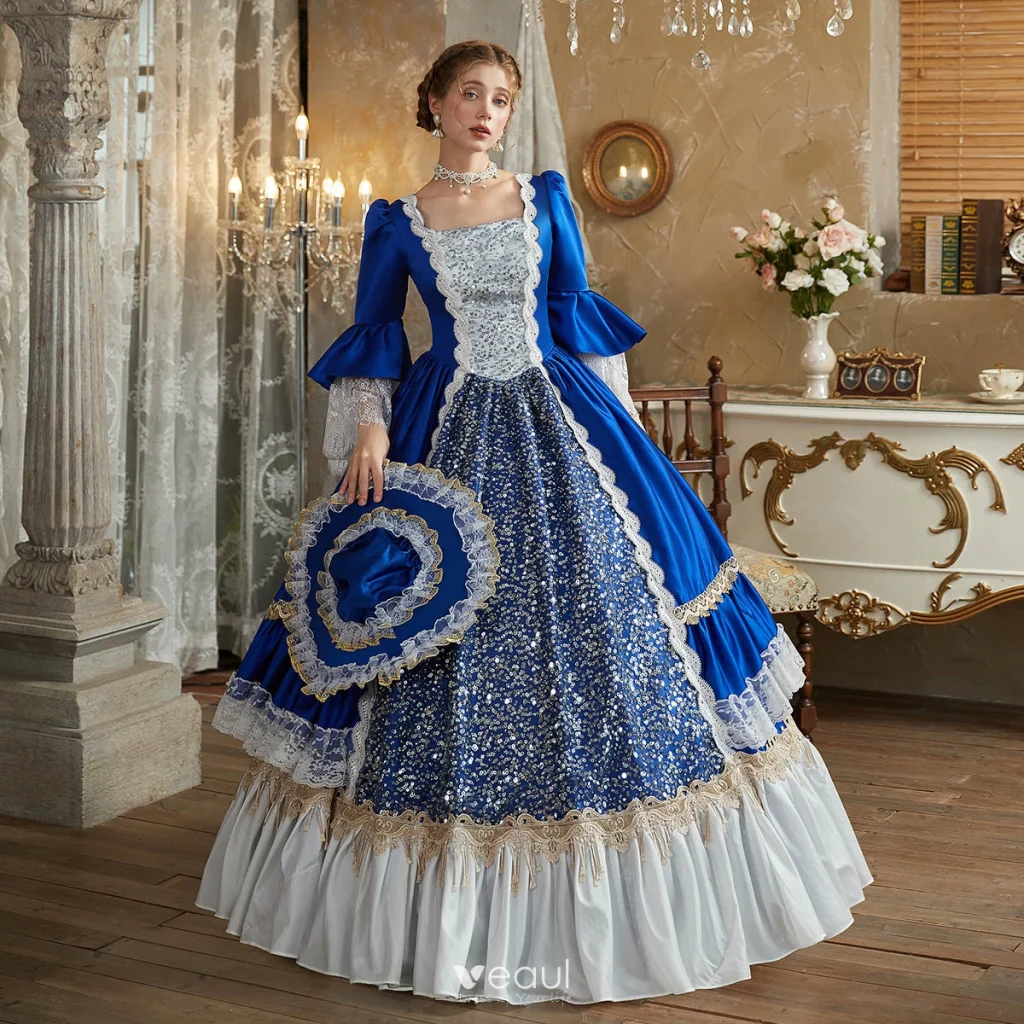
In earlier eras, royal dress symbolized dominance and divine authority. Heavy brocades, jeweled bodices, and intricate embroidery projected wealth and legitimacy. Over time, however, changing political landscapes and media exposure reshaped expectations.
Modern royals now favor:
- Refined silhouettes over excessive ornamentation
- Carefully selected designers that reflect national identity
- Practical tailoring suitable for public engagements
- Subtle symbolism rather than overt extravagance
The transformation reflects a broader cultural shift toward relatability and transparency.
Victorian Grandeur to Early 20th Century Refinement
The 19th century, particularly under Queen Victoria, established the template for ceremonial extravagance. Corseted bodices, voluminous skirts, lace veils, and extended trains became hallmarks of court presentation.
By the early 1900s, Edwardian styles softened silhouettes. Fabrics grew lighter, and tailoring improved, yet the overall aesthetic remained formal and ornate. Royal clothing was still distinctly separated from everyday society.
Mid-20th Century: Accessibility and Media Influence
The rise of mass media dramatically altered royal fashion. Televised events and glossy magazines brought palace wardrobes into living rooms worldwide.
Under Queen Elizabeth II, ceremonial gowns remained lavish for state occasions, yet daytime outfits emphasized tailored coats, structured dresses, and signature hats.
The 1980s introduced a fashion-forward dimension through figures such as Princess Diana. Her wardrobe mixed glamour with modern minimalism, influencing designers globally. Royal fashion became aspirational rather than distant.
The 21st Century: Modernity Meets Tradition
Contemporary royal wardrobes reflect diplomacy, sustainability, and cultural awareness.
Figures such as Catherine, Princess of Wales frequently showcase British designers while incorporating modern cuts and subtle detailing. Similarly, Meghan Markle embraced clean lines and understated tailoring, reinforcing a minimalist approach.
European royals like Queen Letizia of Spain favor sleek silhouettes that align with contemporary fashion houses, while maintaining decorum appropriate for state functions.
Key Characteristics of Modern Royal Dresses
- Streamlined silhouettes that prioritize mobility
- Use of sustainable or ethically sourced fabrics
- Strategic re-wearing of garments to promote responsible consumption
- Cultural inclusivity in design elements
- Balance between ceremonial protocol and contemporary fashion
Sustainability and Ethical Fashion
Environmental awareness now influences royal wardrobes. Recycled fabrics, locally sourced materials, and repeat appearances of iconic pieces signal a shift in values.
This evolution reflects:
- Public accountability
- Reduced emphasis on excess
- Alignment with global sustainability goals
By repeating outfits at major engagements, modern royals subtly redefine luxury as longevity rather than abundance.
Global Influence and Cross-Cultural Design
Today’s royal fashion draws from international designers and multicultural heritage. Royal weddings often incorporate symbolic embroidery, regional textiles, and heritage craftsmanship.
Diplomatic dressing has become an art form. A gown worn abroad may subtly reference the host nation’s colors, patterns, or artisans, reinforcing soft power through fashion.
Technology and Craftsmanship
While tradition remains central, innovation plays a growing role:
- Advanced textile engineering for comfort
- Precision tailoring using digital pattern-making
- Lightweight materials suitable for long ceremonies
Hand embroidery and couture-level craftsmanship remain essential, yet are now paired with modern production methods.
The Symbolism of Royal Dresses Today
Modern royal attire communicates layered messages:
- Continuity of monarchy
- Respect for national identity
- Awareness of social issues
- Cultural diplomacy
Unlike earlier centuries, where visual dominance was paramount, today’s royal fashion emphasizes thoughtful presentation.
FAQ: Modern Royal Dresses
1. Why have royal dresses become less extravagant over time?
Greater media visibility and shifting public expectations encourage a more relatable and responsible image.
2. Do modern royals design their own dresses?
Most collaborate closely with designers, offering input on symbolism, fabric, and tailoring rather than designing independently.
3. Are royal wedding dresses still traditional?
Yes, though they now blend heritage elements with contemporary silhouettes and minimalist detailing.
4. Why do royals often re-wear outfits?
Re-wearing promotes sustainability and counters criticism about excessive spending.
5. How does royal fashion support diplomacy?
Color choices, local designers, and cultural references in garments help build goodwill during international visits.
6. Are ceremonial gowns still required today?
Yes, for coronations, state banquets, and formal court events, though designs are typically more refined than historical counterparts.
7. Has social media influenced royal dress choices?
Absolutely. Instant global visibility encourages careful styling, polished presentation, and broader accessibility.
Royal fashion continues to evolve, balancing centuries-old tradition with contemporary relevance. The modern royal dress is no longer just a garment—it is a strategic, cultural, and symbolic statement woven into fabric.