
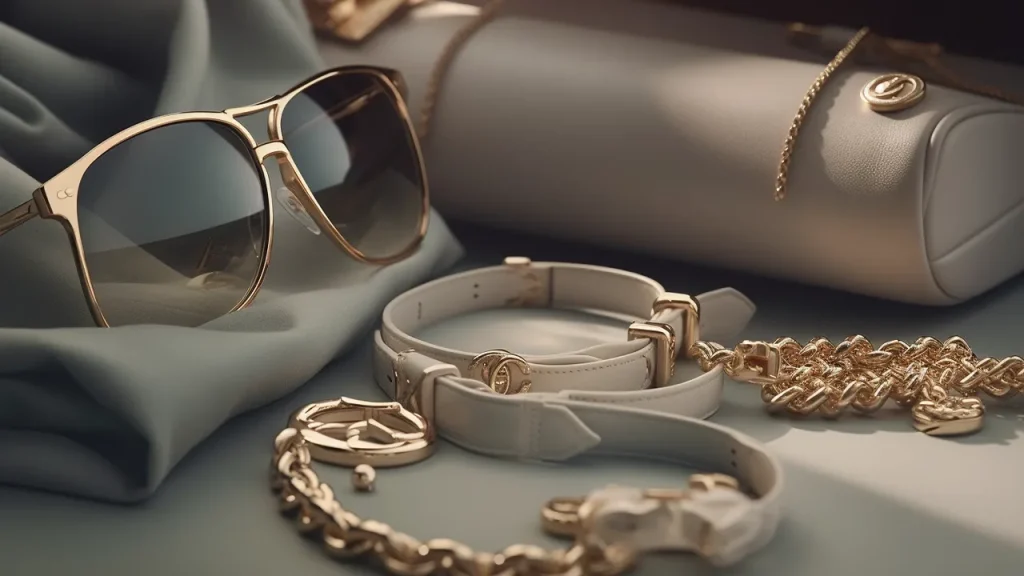

Accessories have the power to transform even the simplest outfit. A plain dress becomes polished with the right bag, elevated with the right shoes, and unforgettable with a bold statement piece. Professional stylists understand that accessorizing is less about quantity and more about balance, proportion, and intention.
This guide breaks down how to approach bags, shoes, and standout elements with a stylist’s eye.
Build a Strong Foundation First
Before adding accessories, assess your base outfit.
Ask yourself:
- Is the clothing structured or flowy?
- Is the color palette neutral or bold?
- Is the occasion formal, casual, or somewhere in between?
Accessories should complement the outfit’s mood rather than compete with it.
Choosing the Right Bag
A bag is both functional and visual. It anchors your look and often draws immediate attention.
Match the Occasion
- Structured top-handle or tote: Professional and polished
- Crossbody: Casual and practical
- Clutch: Formal or evening events
- Oversized tote: Travel or daytime errands
Consider Proportion
Petite frames often suit smaller bags, while taller silhouettes can carry oversized styles effortlessly. Oversized bags on small frames can overwhelm the look.
Use Color Strategically
- Neutral bags offer versatility
- Bold bags act as focal points
- Matching your bag exactly to shoes is optional—coordinating tones works just as well
A stylist often uses the bag to introduce contrast or reinforce a color already present in the outfit.
Selecting Shoes With Purpose
Shoes influence posture, comfort, and overall styling direction.
Align With Silhouette
- Pointed-toe heels: Elongate the legs
- Strappy sandals: Light and elegant
- Ankle boots: Structured and modern
- Loafers or flats: Clean and practical
Balance Visual Weight
If your outfit is voluminous, choose sleeker footwear. For slim silhouettes, chunkier shoes can add dimension.
Prioritize Comfort
Stylish discomfort shows. Walking confidently enhances any look more than an extra inch of heel height.
Mastering Statement Pieces
Statement accessories add personality. The key is restraint.
Popular Statement Elements
- Oversized earrings
- Chunky necklaces
- Bold cuffs
- Sculptural belts
- Patterned scarves
The Rule of One
Choose one primary statement item and keep the rest subtle. For example:
- Bold earrings → Minimal necklace
- Dramatic shoes → Simple bag
- Statement bag → Neutral jewelry
This prevents visual clutter.
Understand Color Coordination
Stylists think in color stories rather than exact matches.
Proven Approaches
- Monochrome: Accessories in varying shades of the same color
- Complementary contrast: Opposite tones for impact
- Neutral grounding: Beige, black, or white to balance bright clothing
Metal tones also matter. Mixing gold and silver can work when done intentionally and balanced across the outfit.
Layer With Intention
Layering accessories creates depth when done carefully.
Examples:
- Stack delicate bracelets instead of one heavy cuff
- Layer fine necklaces at varying lengths
- Combine textured elements like leather, metal, and fabric
Avoid layering pieces that compete in size and boldness.
Adapt to the Setting
Context matters.
- Office: Structured bags, refined shoes, subtle jewelry
- Weekend: Crossbody bags, sneakers, layered necklaces
- Evening events: Clutch, heels, statement earrings
- Travel: Functional yet polished pieces
Dressing appropriately enhances sophistication.
Edit Before You Leave
A stylist’s final step is editing. Remove one item before heading out if the outfit feels busy.
Stand in front of a mirror and assess:
- Is there balance?
- Does one item overpower the rest?
- Do the accessories enhance rather than distract?
Confidence comes from clarity, not excess.
Invest in Versatile Staples
Certain accessories serve as wardrobe anchors:
- Neutral leather handbag
- Classic black or nude heels
- White sneakers
- Simple gold or silver hoops
- Structured belt
These staples make styling easier and elevate everyday outfits.
Personal Style Matters Most
Trends come and go, but authentic style lasts. Accessories should reflect personality, not just fashion cycles. If a piece feels aligned with who you are, it will naturally enhance your look.
Frequently Asked Questions (FAQ)
1. Should shoes always match the bag?
No. Coordinating tones or complementary colors often looks more modern than exact matching.
2. How many accessories are too many?
There’s no strict number, but if multiple items compete for attention, it’s likely too much.
3. Can statement pieces work in professional settings?
Yes, if balanced. Choose one bold element and keep everything else refined.
4. Are designer accessories worth the investment?
High-quality pieces can last longer and retain structure, but value depends on craftsmanship rather than brand name alone.
5. How do I accessorize patterned outfits?
Pull one color from the pattern and use it in your accessories for cohesion.
6. What accessories work best for minimalist outfits?
Structured bags, sculptural jewelry, and sharp footwear add interest without overwhelming simplicity.
7. How can I develop my own accessorizing style?
Experiment gradually, observe which combinations feel natural, and build around pieces you reach for repeatedly.
Accessorizing like a stylist is less about following rigid rules and more about understanding balance, proportion, and personality. When chosen thoughtfully, bags, shoes, and statement pieces turn ordinary outfits into confident expressions of style.