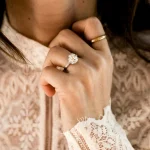


An engagement ring is more than a piece of jewelry—it represents commitment, personality, and shared history. Choosing the right one requires balancing emotion with informed decision-making. From understanding diamond quality to selecting a setting that suits your partner’s lifestyle, every detail matters.
This guide walks you through the essential steps to find a ring that feels meaningful and lasting.
Start With Personal Style
Before focusing on technical details, consider your partner’s taste.
Observe Their Preferences
- Do they wear minimalist or bold jewelry?
- Are their pieces typically gold, silver, or mixed metals?
- Do they prefer vintage-inspired designs or modern styles?
Look at their current accessories for clues. A ring should blend seamlessly with their everyday style.
Understand the 4Cs of Diamonds
If you’re choosing a diamond, knowing the 4Cs ensures quality and value.
1. Cut
Cut determines how well a diamond reflects light. A well-cut diamond appears brighter and more brilliant.
2. Color
Diamond color ranges from colorless to light yellow or brown. Near-colorless options often offer strong value without visible tint.
3. Clarity
Clarity refers to internal or external imperfections. Many inclusions are microscopic and not visible to the naked eye.
4. Carat
Carat measures weight, not size. Balance carat weight with cut quality for maximum sparkle.
Prioritize cut first, as it most significantly affects appearance.
Explore Diamond Shapes
Shape influences the ring’s overall character.
Popular Shapes
- Round: Classic and timeless
- Oval: Elegant and elongating
- Princess: Modern and angular
- Emerald: Sleek with clean lines
- Cushion: Soft and romantic
Each shape reflects light differently and complements various hand shapes.
Choose the Right Metal
The band metal impacts durability and aesthetic appeal.
Common Options
- Yellow Gold: Warm and traditional
- White Gold: Modern and bright
- Rose Gold: Soft and romantic
- Platinum: Durable and hypoallergenic
Consider skin tone and existing jewelry preferences when selecting metal.
Select a Setting Style
The setting secures the stone and defines the ring’s design.
Setting Types
- Solitaire: Single stone with minimal detailing
- Halo: Smaller diamonds surrounding the center stone
- Three-Stone: Symbolizes past, present, and future
- Pavé: Small diamonds along the band
A secure setting is especially important for active lifestyles.
Consider Alternative Stones
Diamonds are traditional, but other gemstones offer uniqueness.
Popular Alternatives
- Sapphires
- Emeralds
- Moissanite
- Lab-grown diamonds
Alternative stones may provide cost savings or distinctive color.
Establish a Realistic Budget
There is no universal rule for how much to spend. Choose a budget that aligns with financial comfort rather than external expectations.
Budget Tips
- Focus on quality over size
- Compare certified stones
- Avoid overspending on unnecessary features
A thoughtful purchase carries more value than a high price tag.
Think About Lifestyle
If your partner works with their hands or leads an active lifestyle, durability matters.
Choose:
- Lower-profile settings
- Secure prongs
- Harder gemstones
Comfort should be as important as aesthetics.
Get the Right Ring Size
Accurate sizing prevents resizing complications.
Ways to determine size:
- Borrow an existing ring
- Ask a trusted friend
- Visit a jeweler discreetly
If unsure, choose a slightly larger size; resizing down is typically easier.
Certification and Authenticity
Always request certification from a recognized gemological laboratory. Certification verifies the stone’s quality and ensures transparency.
Reliable jewelers provide documentation detailing cut, clarity, color, and carat weight.
Add Personal Meaning
An engagement ring becomes even more special with thoughtful details.
Ideas include:
- Engraving a date or phrase
- Incorporating a family heirloom stone
- Designing a custom setting
Personal touches transform the ring into a reflection of your shared story.
Frequently Asked Questions (FAQ)
1. Are lab-grown diamonds a good option?
Yes. Lab-grown diamonds have the same physical properties as natural diamonds and are often more affordable.
2. Which diamond shape looks largest?
Oval, pear, and marquise shapes often appear larger than round diamonds of the same carat weight.
3. Is platinum better than gold?
Platinum is more durable and hypoallergenic, but gold offers warmth and variety in color tones.
4. How long does it take to make a custom engagement ring?
Custom rings typically take several weeks to design and craft, depending on complexity.
5. Should I insure the engagement ring?
Yes. Insurance protects against loss, theft, or damage and provides financial security.
6. Can engagement rings be resized easily?
Most rings can be resized within one to two sizes, though intricate bands may require special handling.
7. What is the most timeless engagement ring style?
A solitaire diamond on a simple band remains one of the most enduring and versatile designs.
Choosing the perfect engagement ring combines emotion, research, and thoughtful consideration. When it reflects both your partner’s personality and your shared commitment, it becomes far more than jewelry—it becomes a lasting symbol of your love story.